
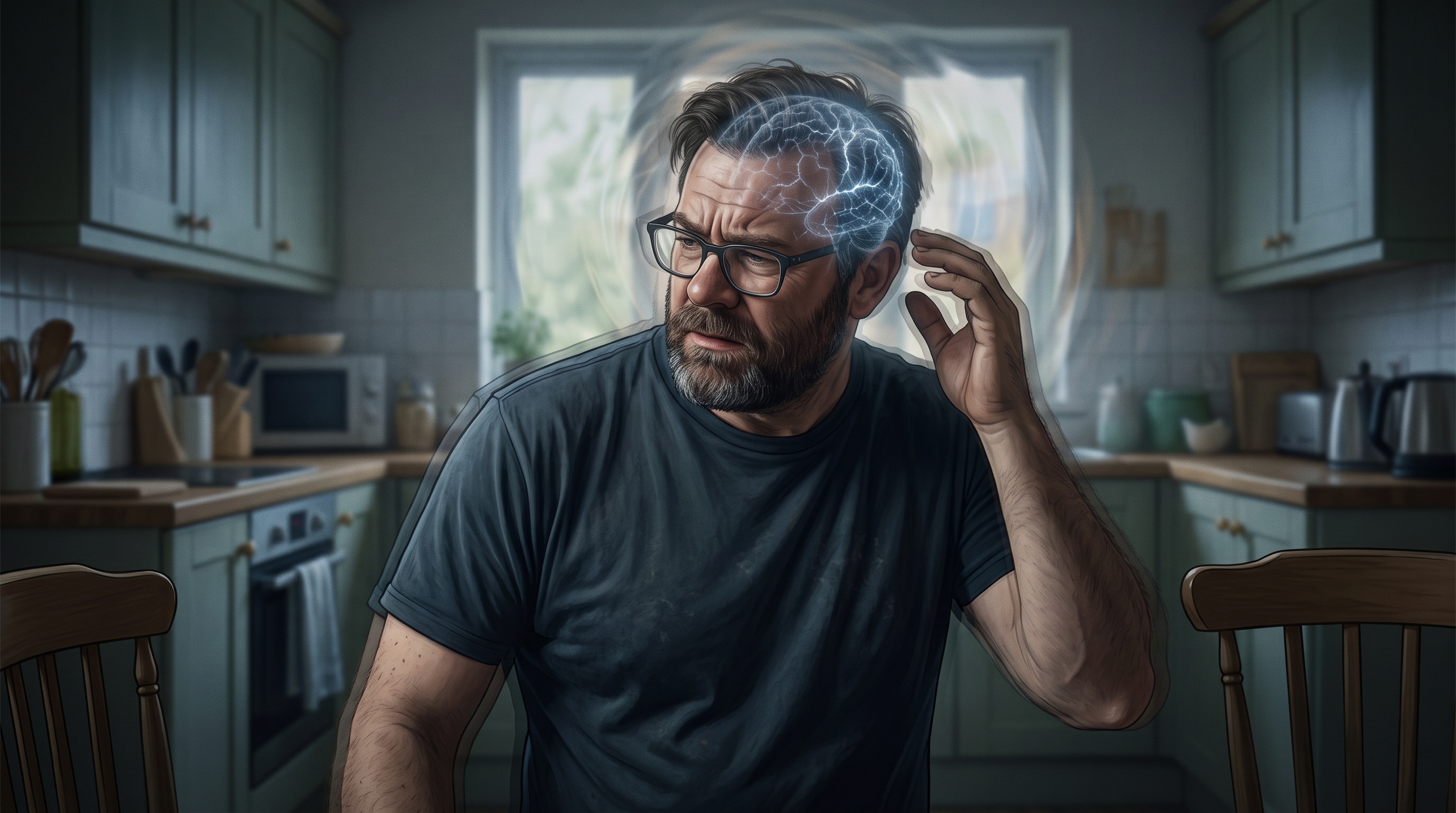
For the last week or so, I’ve been having trouble getting my regular venlafaxine (aka Effexor) prescription filled. What should have been a routine repeat prescription turned into an increasingly frustrating back-and-forth between my GP surgery and the pharmacy, with the two seemingly playing a prolonged game of email tennis over what was needed to actually dispense my medication.
For most prescriptions, that might have been an irritating inconvenience. Unfortunately, venlafaxine, an antidepressant sold under the brand name Effexor in the US, is particularly unforgiving if you suddenly stop taking it. As the problem remained unresolved, I became increasingly worried about running out. I tried another pharmacy which had some stock, but by that point the prescription appeared to have been cancelled on the system.
Eventually, I did run out.
Over the weekend I went into withdrawal. It happened remarkably quickly and what had started as an annoying prescription problem became something very physical and unpleasant: brain zaps, dizziness, feeling generally unwell and a thick cognitive fog. I was having to navigate GPs, pharmacies and prescriptions at precisely the moment my brain was becoming less capable of navigating anything.
The brain zaps are probably the strangest part to describe. “Zap” makes them sound almost trivial, but they really aren’t. For me, there’s a sudden electrical jolt inside my head, often when I move my eyes or turn my head, accompanied by a momentary feeling that my brain and the rest of me have slipped slightly out of sync. Sometimes there’s an almost audible whoosh or zzzt, followed by a tiny wave of dizziness. The closest comparison I can think of is that split-second feeling when you unexpectedly miss a step and your whole nervous system lurches — except it’s happening inside your skull, again and again.
By the time I went to see my GP today, I’d thought carefully about what I wanted to say. I was frustrated and, yes, somewhat angry, but I wasn’t angry with the individual doctor. I understood the pressures everyone was working under. My frustration was that somewhere between the GP, pharmacy and the systems connecting them, something had gone badly wrong and I was the one physically suffering because of it.
As it turned out, I didn’t need my carefully prepared speech. I’d barely got into the consulting room before the doctor apologised. Before I’d even sat down, they said they should have done better.
Later, my pharmacist did much the same thing. He agreed that what had happened wasn’t good enough and apologised too. Those apologies mattered. They don’t undo what happened, but I didn’t have to argue that something had gone wrong or fight against people passing responsibility elsewhere. Both independently acknowledged that I shouldn’t have ended up where I did.
I’m still angry about that, although “angry” perhaps makes it sound more explosive than it feels. It’s a reasoned frustration. I know how stretched the NHS is. I know pharmacies are under enormous pressure and GPs are working inside systems that sometimes appear to be held together with goodwill and sticking plaster. I have enormous sympathy for the people working within that.
But understanding why a system is struggling doesn’t mean its failures are acceptable. Both things can be true: the people involved can be doing their best in extremely difficult circumstances, and the outcome for the patient can still not be good enough.
That’s why hearing “we should have done better” meant something to me. An apology doesn’t mean somebody is a bad doctor or pharmacist. If anything, their willingness to acknowledge what happened increased my respect for both of them. They recognised the problem themselves and treated my experience as something that mattered.
The timing has also been particularly upsetting. I’ve been off work dealing with my mental health and, after a lot of work, I’d finally reached the point where returning wasn’t merely something I felt I should do. I genuinely want to go back. I’ve been feeling closer to myself again and, for the first time in quite a while, returning to work has started to feel exciting rather than frightening.
Having my antidepressant treatment suddenly disrupted and being thrown into withdrawal has therefore scared me. I’m worried about whether destabilising medication that had been working well could knock back some of the progress I’ve made. I’m hoping this is simply an unpleasant bump in the road rather than something that changes the direction of travel, but it’s a bump I really didn’t need.
Thankfully, today I got what I needed. I was listened to, the medication situation was addressed and nobody minimised what I’d been through. I’m genuinely grateful to both the doctor and pharmacist for that. I’m also still frustrated, and those feelings aren’t contradictory. I can appreciate the people involved, understand the extraordinary pressures they’re working under, and still believe the system connecting them needs to be better than this.
People taking medication known to cause significant withdrawal effects shouldn’t find themselves suddenly without it because different pieces of healthcare failed to join up. There needs to be a way of recognising the urgency before the patient becomes unwell, rather than relying on them to chase everyone involved.
Because becoming your own care coordinator is difficult enough at the best of times. Having to do it while your brain is intermittently going zap makes it considerably harder.